
Bronchitis and Pneumonia Treatment in Mount Juliet
Respiratory infections like bronchitis and pneumonia can disrupt your life with persistent coughing, breathing difficulties, and chest pain. At Back to Basics Family Practice, we provide comprehensive diagnostic evaluation and evidence-based treatment to help you recover quickly and prevent complications.
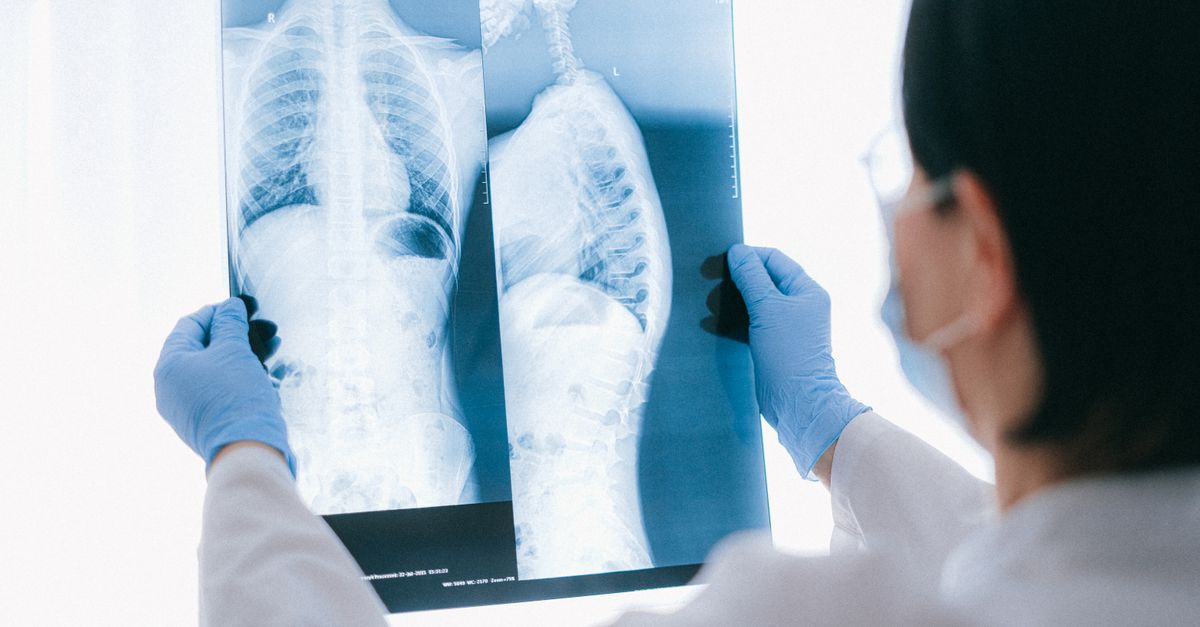
Understanding Bronchitis and Pneumonia
Bronchitis and pneumonia are respiratory infections that affect the airways and lungs, causing inflammation, mucus production, and breathing difficulties. Acute bronchitis, often called a chest cold, involves inflammation of the bronchial tubes that carry air to and from the lungs. Pneumonia is a more serious infection that causes inflammation of the air sacs in one or both lungs, which may fill with fluid or pus. While bronchitis affects approximately 5% of adults annually, pneumonia hospitalizes over 1 million Americans each year and can be life-threatening, particularly for young children, older adults, and individuals with weakened immune systems. These conditions can significantly impact daily activities, causing fatigue, missed work or school, and in severe cases, respiratory failure requiring hospitalization.
Bronchitis is most commonly caused by viral infections, including the same viruses that cause colds and flu, though bacterial infections and exposure to irritants like tobacco smoke, air pollution, and chemical fumes can also trigger inflammation. Pneumonia can be caused by bacteria (most commonly Streptococcus pneumoniae), viruses (including influenza and COVID-19), fungi, or other microorganisms. Risk factors for developing these respiratory infections include smoking, chronic lung diseases like asthma or COPD, weakened immune systems, recent viral respiratory infections, age (very young or older adults), chronic health conditions like diabetes or heart disease, and environmental exposures. Seasonal factors also play a role, with both conditions being more common during fall and winter months when respiratory viruses circulate more widely.
Professional medical evaluation and treatment are essential for bronchitis and pneumonia because these conditions can progress rapidly and lead to serious complications if left untreated. While some cases of acute bronchitis may resolve on their own, bacterial pneumonia requires antibiotic treatment, and distinguishing between viral and bacterial infections requires clinical expertise and sometimes diagnostic testing. Appropriate treatment reduces the risk of complications such as chronic bronchitis, respiratory failure, sepsis, and lung abscesses. Early intervention also shortens illness duration, prevents disease spread to others, and helps manage symptoms that can significantly impair quality of life. At Back to Basics Family Practice, we provide thorough evaluation including physical examination, pulse oximetry, and when necessary, chest X-rays or laboratory testing to accurately diagnose your condition and implement the most effective treatment plan.
Signs & Symptoms of Bronchitis and Pneumonia
Bronchitis Symptoms
Frequent coughing that may produce clear, white, yellowish-gray, or green mucus, often lasting several weeks.
Soreness or tightness in the chest that worsens with coughing or deep breathing.
Feeling unusually tired or lacking energy even with adequate rest.
Difficulty breathing or feeling winded during normal activities.
Low-grade fever, typically under 100.4°F, sometimes accompanied by chills.
High-pitched whistling sound when breathing, indicating airway narrowing.
Generalized muscle soreness and discomfort throughout the body.
Pneumonia Symptoms
Temperature of 102-105°F in adults, though elderly individuals may have lower temperatures or no fever.
Coughing that produces yellow, green, or bloody mucus, which may be rust-colored.
Sharp or stabbing pain that worsens with deep breathing or coughing, indicating pleural inflammation.
Breathing faster than normal, feeling unable to catch your breath, or experiencing significant shortness of breath.
Profuse sweating, shaking chills, and teeth chattering as the body fights infection.
Profound exhaustion that makes even simple tasks difficult to complete.
Disorientation, confusion, or altered consciousness, particularly in older adults, which requires immediate medical attention.
Feeling nauseated, vomiting, or having no desire to eat due to the systemic infection.
If you recognize these signs, help is available. Early treatment leads to better outcomes and prevents serious complications. Contact our team today for evaluation and treatment.
How We Treat Bronchitis and Pneumonia
Comprehensive Assessment
Your evaluation begins with a detailed medical history and thorough physical examination, including lung auscultation to identify abnormal breath sounds. We assess your vital signs, oxygen saturation levels, and symptom severity to determine the nature and extent of your respiratory infection. When appropriate, we order diagnostic tests such as chest X-rays to visualize lung involvement, sputum cultures to identify bacterial pathogens, or blood tests to assess infection severity and guide treatment decisions.
Personalized Treatment Plan
Based on your diagnosis, we develop a targeted treatment plan addressing both the infection and your symptoms. For bacterial infections, we prescribe appropriate antibiotics selected based on likely pathogens and local resistance patterns. We provide symptom management strategies including recommendations for rest, hydration, fever control, and cough management. For patients with underlying respiratory conditions or risk factors, we implement additional monitoring and supportive measures to prevent complications and ensure safe recovery.
Ongoing Care and Monitoring
We schedule follow-up visits or telehealth check-ins to monitor your response to treatment and adjust therapy as needed. Most patients show improvement within 48-72 hours of starting appropriate treatment, but we remain available for urgent concerns or worsening symptoms. For patients with recurrent respiratory infections, we discuss preventive strategies including vaccination, smoking cessation support, and management of underlying conditions. Our goal is complete resolution of your infection and strategies to maintain optimal respiratory health.
Our treatment approach utilizes evidence-based therapies tailored to whether your condition is viral or bacterial. For acute bronchitis, which is typically viral, we focus on symptom management with bronchodilators for wheezing, cough suppressants or expectorants as appropriate, and supportive care including rest and hydration. Bacterial bronchitis and pneumonia are treated with targeted antibiotic therapy—commonly azithromycin, amoxicillin, or doxycycline depending on patient factors and local resistance patterns. For pneumonia, we may prescribe stronger antibiotics such as fluoroquinolones or combination therapy for more severe cases. We also utilize oxygen therapy when oxygen saturation is low, anti-inflammatory medications to reduce airway inflammation, and in some cases, corticosteroids to manage severe inflammation. All treatment decisions are individualized based on your specific presentation, medical history, and risk factors to ensure the safest and most effective recovery.
Why Choose Back to Basics Family Practice for Bronchitis and Pneumonia Treatment
Board-Certified Expertise
Our board-certified family medicine providers have extensive experience diagnosing and treating respiratory infections in patients of all ages, ensuring accurate diagnosis and effective treatment.
Personalized Care Approach
We recognize that every patient's situation is unique and tailor treatment plans based on your specific symptoms, medical history, risk factors, and personal preferences for optimal outcomes.
Telehealth Available
We offer convenient telehealth appointments for initial consultations and follow-up visits, making it easier to receive care when you're feeling unwell without leaving home.
Respiratory Care Experience
Our practice has particular expertise in managing respiratory conditions, from common infections to chronic lung diseases, with access to diagnostic tools and specialist referrals when needed.
Frequently Asked Questions About Bronchitis and Pneumonia
How long does treatment for bronchitis and pneumonia typically take?
Is medication always required for bronchitis and pneumonia?
Does insurance cover bronchitis and pneumonia treatment?
What if treatment isn't working or symptoms worsen?
Can telehealth appointments work for bronchitis and pneumonia diagnosis?
How can I prevent future respiratory infections?
Related Conditions We Treat
Asthma
Comprehensive asthma management including diagnosis, medication optimization, and action plan development for better breathing and quality of life.
Allergies
Allergy testing, treatment, and management for seasonal, environmental, and food allergies to reduce symptoms and improve daily comfort.
COPD
Chronic obstructive pulmonary disease management with medication optimization, pulmonary rehabilitation, and strategies to maintain lung function.
Get Help for Bronchitis and Pneumonia Today
You don't have to face bronchitis and pneumonia alone. Our team is ready to help you breathe easier and recover faster.