
High Blood Pressure (Hypertension) Treatment in Mount Juliet
High blood pressure affects nearly half of American adults and is a leading risk factor for heart disease, stroke, and kidney damage. At Back to Basics Family Practice, we provide comprehensive hypertension management with evidence-based treatment plans, continuous monitoring, and personalized lifestyle guidance to help you achieve and maintain healthy blood pressure levels.
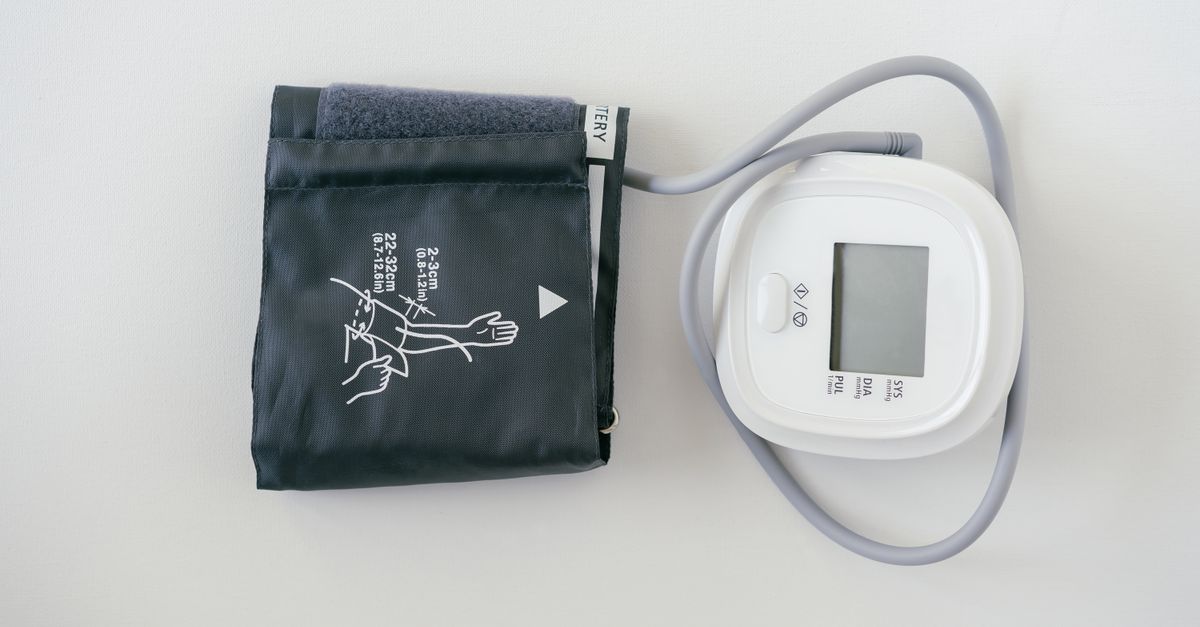
Understanding High Blood Pressure (Hypertension)
High blood pressure, also known as hypertension, is a chronic medical condition in which the force of blood against artery walls remains consistently elevated over time. Blood pressure is measured in two numbers: systolic pressure (when the heart beats) and diastolic pressure (when the heart rests between beats). Normal blood pressure is generally below 120/80 mmHg, while hypertension is diagnosed when readings consistently exceed 130/80 mmHg. Nearly 120 million American adults have high blood pressure, yet many remain undiagnosed because hypertension typically causes no noticeable symptoms in its early stages. This "silent" nature makes it particularly dangerous—untreated hypertension silently damages blood vessels, heart, kidneys, brain, and eyes over years, significantly increasing the risk of heart attack, stroke, heart failure, kidney disease, vision loss, and dementia. The condition impacts quality of life through medication needs, lifestyle modifications, and the psychological burden of managing a chronic disease that requires consistent attention and monitoring.
The causes of high blood pressure are multifactorial and often involve a combination of genetic predisposition and lifestyle factors. Primary (essential) hypertension, which accounts for 90-95% of cases, develops gradually over many years and has no single identifiable cause, though it's strongly linked to aging, family history, race (African Americans have higher rates), obesity, physical inactivity, high sodium intake, excessive alcohol consumption, chronic stress, and poor sleep. Secondary hypertension, affecting 5-10% of patients, results from underlying conditions such as kidney disease, thyroid disorders, sleep apnea, adrenal gland tumors, certain medications (including NSAIDs, birth control pills, decongestants, and some antidepressants), and illicit drug use. Additional risk factors include tobacco use, diabetes, high cholesterol, low potassium intake, and chronic inflammation. Age is a significant factor—blood pressure naturally rises as arteries stiffen with age, making hypertension increasingly common after age 65. Understanding these risk factors is crucial because many are modifiable, offering opportunities for prevention and management through targeted lifestyle changes and medical interventions.
Professional medical treatment for high blood pressure is essential because hypertension is both highly treatable and extremely dangerous when left unmanaged. While the condition itself may cause no symptoms, every point of elevation increases cardiovascular risk—untreated hypertension is the leading preventable cause of premature death worldwide. Early diagnosis and consistent management can prevent or delay the serious complications that make hypertension so deadly. Treatment typically involves a combination of lifestyle modifications (diet, exercise, weight management, stress reduction, sodium restriction, alcohol moderation) and, when necessary, antihypertensive medications tailored to your specific situation, other health conditions, and tolerance. Regular monitoring is critical because blood pressure changes over time and treatment plans must be adjusted accordingly. At Back to Basics Family Practice, we take a comprehensive, patient-centered approach to hypertension management, working with you to develop a sustainable treatment plan that fits your life, addresses your unique risk factors, educates you about your condition, and provides the ongoing support needed to achieve long-term blood pressure control and reduce your cardiovascular risk.
Signs & Symptoms of High Blood Pressure (Hypertension)
Warning Signs (Severe Cases)
Severe Headaches
Persistent, intense headaches, particularly in the back of the head, may indicate dangerously high blood pressure.
Chest Pain or Tightness
Pressure, squeezing, or pain in the chest may signal hypertension-related heart strain or complications.
Vision Changes or Blurriness
Blurred vision, spots, or vision loss can occur when high blood pressure damages the blood vessels in the eyes.
Shortness of Breath
Difficulty breathing or feeling winded with minimal exertion may indicate heart strain from elevated blood pressure.
Dizziness or Lightheadedness
Feeling unsteady, dizzy, or faint can occur with severely elevated blood pressure or medication side effects.
Nosebleeds (Severe Cases)
While uncommon, recurrent or severe nosebleeds can occasionally be associated with very high blood pressure.
Anxiety or Sense of Impending Doom
A feeling of extreme anxiety or panic can accompany hypertensive crises or acute cardiovascular events.
Physical & Risk Indicators
No Symptoms (Most Common)
The majority of people with high blood pressure feel completely normal, which is why regular screening is critical.
Fatigue or Confusion
Unexplained tiredness, difficulty concentrating, or mental fog may result from reduced blood flow or organ damage.
Irregular Heartbeat
Palpitations, fluttering, or awareness of your heartbeat can indicate hypertension-related cardiac changes.
Blood in Urine
Hematuria can signal kidney damage from long-standing or severe hypertension requiring immediate evaluation.
Pounding Sensation in Chest, Neck, or Ears
Feeling your pulse strongly in these areas can occur with elevated blood pressure or increased cardiac output.
Facial Flushing
While not a reliable indicator, redness or warmth in the face can occasionally accompany blood pressure spikes.
Family History of Hypertension
Having close relatives with high blood pressure significantly increases your risk and warrants regular monitoring.
High Stress or Poor Sleep
Chronic stress, anxiety, or sleep disorders like sleep apnea contribute to elevated blood pressure over time.
If you recognize these signs, help is available. Early treatment leads to better outcomes. Most people with high blood pressure have no symptoms at all—making regular screening and proactive health management essential for prevention and early intervention.
How We Treat High Blood Pressure (Hypertension)
Comprehensive Assessment
Your initial evaluation includes multiple blood pressure measurements, complete medical history review, cardiovascular risk assessment, and laboratory testing to identify underlying causes and organ damage. We examine your lifestyle factors, medications, family history, and symptoms to create a complete picture of your cardiovascular health and determine your personalized treatment approach.
Personalized Treatment Plan
We develop an individualized treatment strategy combining lifestyle modifications and medications when needed, tailored to your specific blood pressure readings, risk factors, other health conditions, and personal preferences. Your plan includes clear goals, specific dietary recommendations (DASH diet, sodium reduction), exercise guidelines, stress management techniques, and medication options with detailed education about how each component works together to lower your blood pressure safely and effectively.
Ongoing Monitoring & Support
Successful hypertension management requires consistent follow-up, which we provide through regular office visits, home blood pressure monitoring guidance, medication adjustments, and telehealth check-ins to track progress and address concerns. We monitor for medication side effects, assess treatment effectiveness, adjust dosages as needed, and provide continuous education and encouragement to help you maintain long-term blood pressure control and reduce your cardiovascular risk.
Our evidence-based treatment approach utilizes proven interventions including the DASH (Dietary Approaches to Stop Hypertension) eating plan emphasizing fruits, vegetables, whole grains, lean proteins, and low-fat dairy while limiting sodium, saturated fat, and added sugars. We guide you through weight management strategies (even a 5-10 pound reduction can lower blood pressure), aerobic exercise recommendations (150 minutes weekly of moderate activity), stress reduction techniques (meditation, deep breathing, yoga), alcohol moderation, and smoking cessation. When lifestyle changes alone are insufficient, we prescribe antihypertensive medications from classes including ACE inhibitors, ARBs, calcium channel blockers, diuretics, and beta-blockers, carefully selected based on your age, race, other conditions (diabetes, kidney disease, heart disease), and tolerance. We also identify and address secondary causes when present, optimize sleep quality, screen for sleep apnea, and coordinate with specialists when complex cases require additional expertise. Every aspect of your care is designed to achieve target blood pressure goals (typically below 130/80 mmHg, adjusted for age and comorbidities) while minimizing side effects and maximizing your quality of life.
Why Choose Back to Basics Family Practice for High Blood Pressure (Hypertension) Treatment
Board-Certified Expertise
Our providers are board-certified in family medicine with extensive training and experience in cardiovascular health and hypertension management across all age groups.
Personalized, Patient-Centered Care
We take time to understand your unique circumstances, preferences, and goals, creating treatment plans that fit your lifestyle and maximize your success in achieving blood pressure control.
Telehealth Available
Access care conveniently through secure virtual visits for follow-ups, medication adjustments, and ongoing support—perfect for busy schedules and routine monitoring appointments.
Proven Results with Hypertension
We have extensive experience helping patients achieve and maintain healthy blood pressure levels, prevent complications, and improve overall cardiovascular health through comprehensive, evidence-based care.
Frequently Asked Questions About High Blood Pressure (Hypertension)
How long does hypertension treatment take?
Is medication always required for high blood pressure?
Does insurance cover hypertension treatment?
What if my blood pressure doesn't improve with treatment?
Can telehealth appointments work for hypertension management?
What blood pressure numbers should I aim for?
Related Conditions We Treat
Diabetes Management
Comprehensive care for Type 1, Type 2, and prediabetes with personalized treatment plans, continuous glucose monitoring, and lifestyle support.
Learn more →High Cholesterol
Expert management of elevated cholesterol and lipid disorders to reduce cardiovascular risk and prevent heart disease and stroke.
Learn more →Obesity & Weight Management
Evidence-based weight loss programs combining nutrition counseling, exercise guidance, behavioral support, and medication when appropriate.
Learn more →Get Help for High Blood Pressure (Hypertension) Today
You don't have to face High Blood Pressure (Hypertension) alone. Our team is ready to help.