
Pediatric Illnesses Treatment in Mount Juliet
When your child is sick, you need compassionate, expert care. At Back to Basics Family Practice, we provide comprehensive treatment for common pediatric illnesses with prompt scheduling when available, thorough evaluations, and evidence-based care that helps your child feel better.
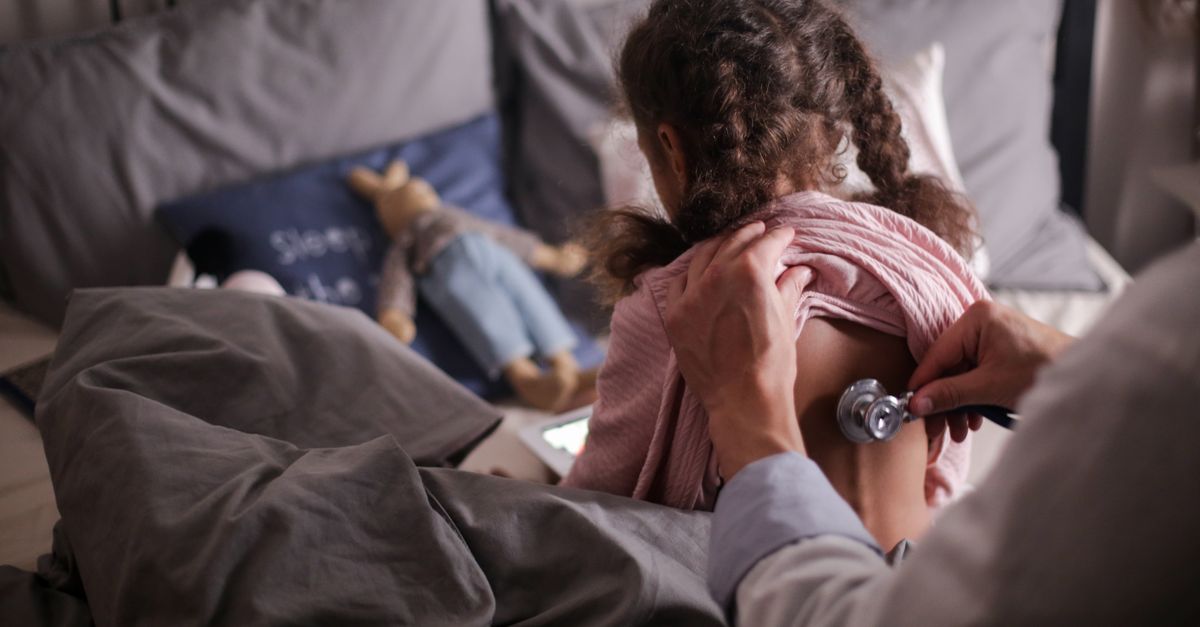
Understanding Pediatric Illnesses
Pediatric illnesses encompass a wide range of acute and chronic conditions that affect infants, children, and adolescents. From common respiratory infections and ear infections to strep throat, stomach bugs, skin rashes, and fever-related conditions, childhood illnesses are an inevitable part of growing up. While most pediatric illnesses are mild and self-limiting, they can cause significant discomfort for children and worry for parents. Understanding when to seek medical care, receiving accurate diagnosis, and implementing appropriate treatment can make a profound difference in your child's recovery time, comfort level, and overall health outcomes. In the United States, children experience an average of six to eight respiratory infections per year, with higher rates in those attending daycare or school settings.
The causes of pediatric illnesses vary widely depending on the specific condition. Viral infections account for the majority of acute childhood illnesses, including common colds, influenza, respiratory syncytial virus (RSV), hand-foot-and-mouth disease, and gastroenteritis. Bacterial infections such as strep throat, ear infections (otitis media), urinary tract infections, and certain types of pneumonia require antibiotic treatment. Risk factors for more frequent or severe pediatric illnesses include young age (particularly under 2 years), exposure to large groups of children in daycare or school settings, secondhand smoke exposure, inadequate nutrition, incomplete immunization status, underlying chronic conditions like asthma or immune deficiencies, and poor hand hygiene practices. Seasonal variations also play a significant role, with respiratory illnesses peaking in fall and winter months, while gastrointestinal illnesses and certain skin conditions may be more common in warmer months.
Professional medical evaluation for pediatric illnesses is crucial for several important reasons. First, accurate diagnosis ensures that bacterial infections requiring antibiotics are identified and treated appropriately, while viral illnesses that don't benefit from antibiotics are managed with supportive care, helping to reduce unnecessary antibiotic use and antibiotic resistance. Second, certain symptoms that may appear mild can occasionally indicate more serious conditions requiring prompt intervention—such as meningitis, appendicitis, dehydration, or respiratory distress—making professional assessment essential for ruling out dangerous complications. Third, proper medical guidance helps parents understand what to expect during their child's illness, when symptoms should improve, which warning signs require immediate attention, and how to provide optimal home care for comfort and recovery. Finally, establishing a relationship with a trusted healthcare provider who knows your child's medical history, growth patterns, and baseline health creates continuity of care that benefits your child's long-term health and development.
Signs & Symptoms of Pediatric Illnesses
Respiratory & Systemic Symptoms
Persistent Fever
Temperature above 100.4°F (38°C) lasting more than a few days, especially if accompanied by other concerning symptoms or behavioral changes.
Cough & Congestion
Nasal congestion, runny nose, persistent cough (dry or productive), difficulty breathing through the nose, or wheezing sounds during breathing.
Ear Pain or Tugging
Child pulling or tugging at ears, complaints of ear pain, difficulty hearing, drainage from ears, or increased fussiness when lying down.
Sore Throat
Complaints of throat pain, difficulty swallowing, red or swollen throat, white patches on tonsils, or swollen lymph nodes in the neck.
Skin Rashes
New rashes, hives, red spots, blisters, skin discoloration, itching, or rashes that spread quickly or are accompanied by fever.
Breathing Difficulties
Rapid breathing, labored breathing, chest retractions, flaring nostrils, blue-tinged lips or fingertips, or inability to speak in full sentences.
Headache
Persistent or severe headaches, especially when accompanied by fever, neck stiffness, sensitivity to light, or changes in consciousness.
Gastrointestinal & Behavioral Signs
Vomiting & Nausea
Repeated vomiting, inability to keep fluids down, nausea, or vomiting that lasts more than 24 hours or contains blood or bile.
Diarrhea
Frequent loose or watery stools, especially if lasting more than a few days, containing blood or mucus, or accompanied by signs of dehydration.
Abdominal Pain
Stomach pain or cramping, particularly if severe, localized to one area, persistent for several hours, or accompanied by vomiting or fever.
Decreased Appetite or Fluid Intake
Refusal to eat or drink, significant reduction in food or fluid intake, or inability to breastfeed or bottle-feed in infants.
Lethargy or Excessive Sleepiness
Unusual tiredness, difficulty waking, decreased activity level, lack of interest in play, or unresponsiveness to normal stimulation.
Irritability or Inconsolable Crying
Increased fussiness, persistent crying that cannot be soothed, unusual irritability, or significant changes in normal behavior or temperament.
Dehydration Signs
Dry mouth and lips, decreased urination, dark urine, sunken eyes, absence of tears when crying, or sunken fontanelle in infants.
If you recognize these signs in your child, help is available. Early evaluation and treatment lead to better outcomes, faster recovery, and peace of mind for your family.
How We Treat Pediatric Illnesses
Comprehensive Assessment
We begin with a thorough evaluation including detailed symptom history, physical examination, and assessment of your child's overall health status. When appropriate, we perform or order diagnostic tests such as rapid strep tests, flu tests, urinalysis, or other laboratory work to accurately identify the cause of illness. We take time to understand your child's medical history, current medications, and any underlying conditions that may affect treatment.
Personalized Treatment Plan
Based on our assessment, we develop an individualized treatment plan tailored to your child's specific diagnosis and needs. This may include prescription medications when medically necessary, evidence-based recommendations for symptom management at home, nutritional guidance to support recovery, and clear instructions about activity restrictions and when your child can safely return to school or daycare. We ensure you understand the treatment plan and feel confident implementing it.
Ongoing Support & Follow-Up
We provide clear guidance about expected recovery timelines, warning signs that require immediate attention, and when to contact us with concerns. Follow-up appointments are scheduled as needed to ensure proper healing and resolution of symptoms. We're available by phone for questions that arise during your child's illness, and we can arrange telehealth follow-up visits when appropriate. Our goal is to support you and your child throughout the entire illness and recovery process.
Our treatment approach for pediatric illnesses is firmly grounded in current evidence-based medical guidelines and best practices. For bacterial infections such as strep throat, ear infections, urinary tract infections, and bacterial pneumonia, we prescribe appropriate antibiotics selected based on the specific pathogen, your child's age and weight, allergy history, and local antibiotic resistance patterns. For viral illnesses including common colds, influenza, viral gastroenteritis, and most respiratory infections, we focus on supportive care measures that promote comfort and recovery while the immune system fights the infection.
Our supportive care recommendations include fever management using appropriate doses of acetaminophen or ibuprofen, hydration strategies tailored to your child's age and condition severity, nutritional guidance for maintaining adequate intake during illness, rest and activity recommendations, and specific symptom relief measures such as saline nasal rinses for congestion, humidifier use for cough, or dietary modifications for gastrointestinal symptoms. When clinically indicated, we may prescribe antiviral medications for influenza, inhaled bronchodilators for wheezing, anti-nausea medications for persistent vomiting, or topical treatments for skin conditions. We emphasize preventive strategies including hand hygiene education and guidance for reducing transmission within households and schools.
Why Choose Back to Basics Family Practice for Pediatric Illness Treatment
Board-Certified Family Medicine Expertise
Our providers are board-certified nurse practitioners in family medicine with extensive training and experience in pediatric care across all age groups from newborns through adolescence. We stay current with the latest pediatric treatment guidelines and diagnostic approaches to provide your child with the highest quality medical care.
Prompt Scheduling
We understand that childhood illnesses don't wait for convenient times. We reserve a limited number of appointments for established patients with urgent sick-care needs. Please call early, as availability is not guaranteed.
Telehealth & In-Person Options
We offer both telehealth and in-person visits for pediatric illnesses. For many common conditions, a telehealth evaluation may be sufficient and more convenient, allowing us to assess symptoms, provide guidance, and prescribe medications when appropriate without requiring you to bring your sick child to the office. When physical examination is necessary, we're here for in-person evaluation.
Family-Centered, Compassionate Care
We treat your child with gentleness and respect, taking time to explain what we're doing in age-appropriate ways that help reduce anxiety. We partner with you as a parent, listening to your concerns, answering your questions thoroughly, and providing clear instructions that give you confidence in managing your child's illness at home.
Frequently Asked Questions About Pediatric Illnesses
When should I bring my child to the doctor versus managing illness at home?+
You should seek medical evaluation if your child has a fever above 100.4°F in infants under 3 months, fever above 102°F lasting more than 3 days in older children, difficulty breathing or rapid breathing, signs of dehydration (no urine for 8+ hours, no tears, dry mouth, lethargy), persistent vomiting preventing fluid intake, severe or persistent pain, unusual rashes especially with fever, earache, sore throat with fever, significant behavioral changes such as extreme irritability or unresponsiveness, or any symptom that concerns you as a parent. Trust your parental instincts—you know your child best. When in doubt, it's always better to have your child evaluated. Many illnesses can be safely managed at home with rest, fluids, and fever management, but professional assessment helps distinguish mild illnesses from those requiring medical treatment and provides peace of mind.
Does my child need antibiotics for their illness?+
Antibiotics are only effective for bacterial infections and do not work against viral infections, which cause the majority of childhood illnesses including common colds, most coughs and bronchitis, influenza, most sore throats, and many ear infections. We prescribe antibiotics when clinically indicated for confirmed or highly suspected bacterial infections such as strep throat, bacterial ear infections, urinary tract infections, bacterial pneumonia, or bacterial sinusitis. Overusing antibiotics contributes to antibiotic resistance and can cause side effects including diarrhea, rash, and allergic reactions. During your child's evaluation, we'll carefully assess whether antibiotics are medically necessary. If we determine your child has a viral infection, we'll explain why antibiotics won't help and provide guidance on supportive care measures that will help your child feel better and recover naturally. If bacterial infection is confirmed, we'll select the most appropriate antibiotic based on the specific infection, your child's age and weight, and any medication allergies.
How long will my child's illness last, and when can they return to school or daycare?+
Illness duration varies depending on the specific condition. Common colds typically last 7-10 days, influenza 5-7 days, viral gastroenteritis 1-3 days, strep throat improves within 24-48 hours of starting antibiotics, and ear infections usually improve within 2-3 days of treatment. General return-to-school guidelines include: fever-free for at least 24 hours without fever-reducing medication, no vomiting or diarrhea for at least 24 hours, able to participate comfortably in normal activities, completed at least 24 hours of antibiotic treatment for bacterial infections, and following any specific isolation requirements for contagious conditions. For strep throat, children can return after 24 hours of antibiotic treatment and fever-free status. For viral illnesses, children should stay home while feverish and when symptoms significantly interfere with normal activities or when their symptoms pose infection risk to others. We'll provide specific return-to-school guidance based on your child's diagnosis, symptom severity, and your school or daycare's policies during your visit.
Will insurance cover treatment for my child's illness?+
Back to Basics Family Practice is a cash-pay, out-of-network practice, so we do not bill insurance. You pay a transparent, affordable per-visit price at the time of your child's appointment, which covers the office visit, physical examination, and basic in-office diagnostic tests such as rapid strep tests or urinalysis. If you have insurance, including private insurance, Medicaid, or TennCare, we can provide a detailed superbill afterward that you may submit to your insurer to request possible out-of-network reimbursement. This upfront pricing means no surprise bills and clear costs you can plan around. Our staff can provide cost estimates before your visit and discuss payment options that work for your family's situation. Financial concerns should never prevent your child from receiving needed medical care, so please discuss any cost concerns with our staff, and we'll work with you to find a solution.
Can pediatric illnesses be evaluated through telehealth visits?+
Yes, many pediatric illnesses can be effectively evaluated and managed through telehealth visits, which offer convenience by allowing you to stay home with your sick child while avoiding exposure to other illnesses in a waiting room. Telehealth is particularly appropriate for conditions such as cold and flu symptoms, mild respiratory infections, minor rashes, vomiting and diarrhea concerns, follow-up for ongoing illnesses, medication questions, and general symptom guidance. During a telehealth visit, we can visually assess your child through video, ask detailed questions about symptoms, review what you're observing at home, provide treatment recommendations, prescribe medications when appropriate, and determine if an in-person examination is necessary. However, some conditions require in-person evaluation including high fever in infants under 3 months, severe respiratory distress, suspected ear infections (which require otoscope examination), severe abdominal pain, injuries requiring physical examination, and any condition where physical examination findings are essential for diagnosis. We'll help you determine whether telehealth or in-person evaluation is most appropriate for your child's specific situation when you call to schedule.
My child gets sick frequently. Is this normal, or should I be concerned?+
It's very common for young children, especially those in daycare or preschool, to experience 6-12 viral illnesses per year, particularly during fall and winter months. Each illness helps build your child's immune system, and frequent illnesses are usually not a sign of immune problems. However, you should discuss frequent illnesses with us if your child has severe infections requiring hospitalization, infections that don't respond to standard treatments, unusual or opportunistic infections, failure to thrive or poor growth, persistent thrush or skin infections, family history of immune disorders, or if you're simply concerned about the frequency or pattern of illnesses. We can evaluate for contributing factors such as secondhand smoke exposure, anatomical issues like enlarged adenoids or chronic sinus problems, allergies contributing to recurrent infections, nutritional deficiencies, or rarely, underlying immune system concerns. In most cases, frequent illnesses represent normal immune system development, but we're here to evaluate your concerns, provide reassurance when appropriate, and investigate further if indicated. We can also discuss preventive strategies including hand hygiene education, nutrition optimization, adequate sleep, and when it might be appropriate to temporarily limit exposures during peak illness season.
Related Conditions We Treat
Asthma
Comprehensive asthma management including diagnosis, treatment, and long-term control strategies for children and adults.
Allergies
Allergy testing, diagnosis, and treatment for seasonal allergies, food allergies, and environmental sensitivities in all ages.
Chronic Disease Management
Ongoing management of chronic conditions including diabetes, hypertension, and other long-term health concerns for all family members.
Get Help for Pediatric Illnesses Today
You don't have to face pediatric illnesses alone. Our team is ready to help your child feel better with prompt scheduling when available and compassionate care.