
Skin Conditions and Rashes Treatment in Mount Juliet
Skin conditions and rashes affect millions of people, causing discomfort, self-consciousness, and disruption to daily life. At Back to Basics Family Practice, we provide comprehensive diagnosis and treatment for a wide range of dermatological concerns, from acute rashes to chronic skin conditions.
Our personalized approach combines evidence-based treatments with compassionate care to help you achieve healthier, more comfortable skin and regain your confidence.
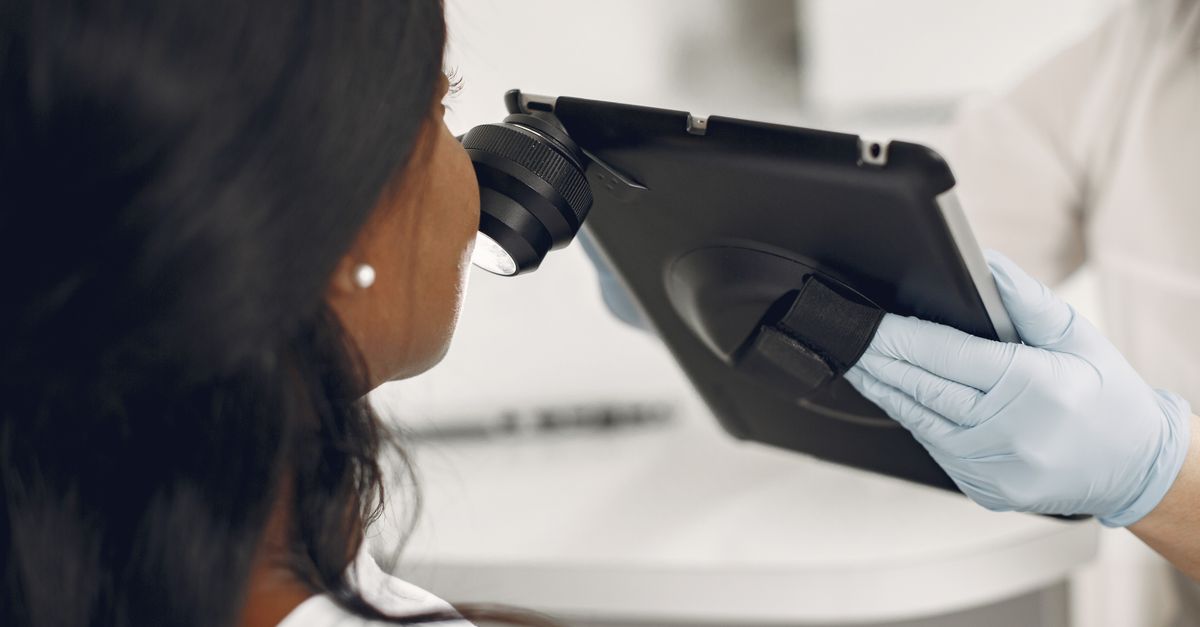
Understanding Skin Conditions and Rashes
Skin conditions and rashes encompass a diverse spectrum of dermatological issues that affect the skin's appearance, texture, and function. From temporary irritations to chronic inflammatory conditions, these disorders can manifest as redness, itching, scaling, blistering, or changes in pigmentation. Common conditions include eczema (atopic dermatitis), psoriasis, contact dermatitis, seborrheic dermatitis, urticaria (hives), rosacea, fungal infections, and viral rashes. According to the American Academy of Dermatology, skin diseases affect one in four Americans at any given time, making them one of the most common reasons people seek medical care. Beyond physical symptoms, skin conditions often carry significant emotional and psychological burdens, affecting self-esteem, social interactions, and overall quality of life. Many people experience anxiety about their appearance, avoid social situations, or struggle with sleep disruption due to itching and discomfort.
The causes of skin conditions and rashes are multifactorial and vary widely depending on the specific diagnosis. Genetic predisposition plays a significant role in conditions like eczema and psoriasis, where family history substantially increases risk. Environmental triggers include allergens (pollen, pet dander, certain foods), irritants (harsh soaps, detergents, chemicals), weather changes (cold, dry air or excessive humidity), and ultraviolet radiation. Immune system dysfunction underlies many chronic skin conditions, where the body's defense mechanisms mistakenly attack healthy skin cells or overreact to harmless substances. Infectious agents such as bacteria (impetigo, cellulitis), viruses (shingles, herpes), fungi (ringworm, candidiasis), and parasites (scabies) can cause acute rashes. Systemic conditions including diabetes, thyroid disorders, liver disease, and autoimmune diseases frequently manifest with skin symptoms. Lifestyle factors such as stress, poor nutrition, inadequate sleep, smoking, and certain medications can trigger or exacerbate skin conditions. Occupational exposures in healthcare, food service, cleaning, and manufacturing industries increase risk for contact dermatitis and other work-related skin problems.
Professional medical evaluation is essential for accurate diagnosis and effective treatment of skin conditions and rashes. While many people attempt self-diagnosis and over-the-counter treatments, this approach often leads to misidentification of the condition, inappropriate treatment that worsens symptoms, delayed diagnosis of serious underlying diseases, and development of complications such as secondary infections or scarring. A healthcare provider can perform a thorough clinical examination, consider your complete medical history, identify triggering factors, differentiate between similar-appearing conditions, and order appropriate diagnostic tests when necessary. Early intervention prevents progression of chronic conditions, reduces the risk of permanent skin changes, minimizes discomfort and disruption to daily activities, and addresses the psychological impact of visible skin problems. Professional treatment also ensures proper management of conditions that may indicate systemic disease, such as rashes associated with lupus, thyroid disease, or nutritional deficiencies. With accurate diagnosis and personalized treatment, most skin conditions can be effectively managed, allowing you to achieve clearer, healthier skin and improved quality of life.
Signs & Symptoms of Skin Conditions and Rashes
Visual & Textural Changes
Areas of redness, warmth, and inflammation that may be localized or widespread across the body.
Rough, flaking skin with visible scales, particularly common in eczema and psoriasis.
Raised lesions ranging from small bumps to fluid-filled blisters or welts that appear suddenly.
Changes in pigmentation including darkening, lightening, or uneven coloring of affected areas.
Areas where skin becomes thick, rough, or leathery from chronic inflammation or scratching.
Deep cracks in the skin, particularly on hands, feet, or at joint creases, which may bleed or become infected.
Weeping of clear fluid or development of yellow crusts, often indicating infection or severe inflammation.
Physical & Emotional Symptoms
Intense, relentless itching that interferes with sleep, work, and daily activities and worsens with scratching.
Uncomfortable burning, stinging, or painful sensations in affected areas, especially with certain products or water exposure.
Puffiness or swelling around affected areas, particularly with allergic reactions or infections.
Difficulty falling or staying asleep due to itching, discomfort, or pain from skin symptoms.
Embarrassment or anxiety about visible skin changes affecting social interactions and confidence.
Withdrawing from swimming, sports, or social events due to visible rashes or fear of triggering symptoms.
Cyclical pattern of improvement followed by worsening, often triggered by stress, weather, or other factors.
If you recognize these signs, help is available. Early treatment leads to better outcomes, preventing complications and improving your quality of life more quickly.
How We Treat Skin Conditions and Rashes
Comprehensive Assessment
We begin with a thorough skin examination, detailed medical history, and discussion of triggers and lifestyle factors. When appropriate, we may perform diagnostic tests such as skin scrapings, cultures, or patch testing to identify specific allergens or infections. We also assess how the condition affects your daily life, sleep quality, and emotional well-being to develop a complete understanding of your needs.
Personalized Treatment Plan
Based on your specific diagnosis, we create a customized treatment strategy that may include topical medications, lifestyle modifications, and trigger avoidance strategies. Your plan is designed to address immediate symptoms while focusing on long-term management and prevention of flare-ups. We provide clear instructions, written guidance, and ongoing support to ensure you understand and can effectively follow your treatment regimen.
Ongoing Care & Monitoring
We schedule regular follow-up appointments to monitor your progress, adjust treatments as needed, and address any concerns or complications. For chronic conditions, we work with you to identify patterns, refine trigger management strategies, and optimize your maintenance plan. We're available to address flare-ups promptly and provide education about self-management techniques that empower you to maintain healthy skin between visits.
Our evidence-based treatment approach incorporates a range of effective therapies tailored to your specific condition. For inflammatory conditions like eczema and psoriasis, we utilize topical corticosteroids of appropriate strength, calcineurin inhibitors, and moisturizing regimens to reduce inflammation and restore the skin barrier. Allergic reactions and contact dermatitis are managed with allergen identification and avoidance strategies, antihistamines for symptom relief, and targeted topical treatments. Fungal infections respond to antifungal creams, oral medications when necessary, and measures to prevent recurrence. Bacterial skin infections are treated with appropriate antibiotics and hygiene education. For chronic conditions, we may incorporate phototherapy referrals, systemic medications, or biologic therapies when first-line treatments prove insufficient. We also emphasize the importance of proper skincare routines, gentle cleansers, fragrance-free moisturizers, sun protection, and stress management techniques. Our goal is not just symptom relief but helping you achieve long-term skin health and quality of life improvement through comprehensive, compassionate care.
Why Choose Back to Basics Family Practice for Skin Conditions and Rashes Treatment
Board-Certified Expertise
Our providers have extensive training and experience in diagnosing and treating the full spectrum of skin conditions and rashes. We stay current with the latest dermatological research and treatment advances to offer you the most effective care available.
Personalized, Patient-Centered Care
We recognize that every patient's skin condition is unique, influenced by individual genetics, lifestyle, and environmental factors. We take time to understand your specific situation and create treatment plans tailored to your needs, preferences, and goals.
Telehealth Options Available
Many skin conditions can be effectively evaluated and managed through secure telehealth appointments, allowing you to receive expert care from the comfort of your home. This is particularly convenient for follow-up visits, medication adjustments, and management of chronic conditions.
Comprehensive Approach to Skin Health
We don't just treat symptoms—we address underlying causes and contributing factors. Our holistic approach considers your overall health, lifestyle, stress levels, and environmental exposures to develop comprehensive strategies for long-term skin health and prevention of recurrence.
Frequently Asked Questions About Skin Conditions and Rashes
How long does it take for skin conditions and rashes to improve with treatment?
The timeline varies significantly depending on the type and severity of your condition. Acute rashes from allergic reactions or infections often improve within 1-2 weeks with appropriate treatment. Chronic conditions like eczema or psoriasis typically show initial improvement within 2-4 weeks, with continued progress over several months. Some patients notice reduced itching and inflammation within days, while visible improvements in skin appearance take longer. Consistency with your treatment plan is crucial for optimal results. We'll monitor your progress closely and adjust your treatment if you're not seeing the expected improvements within a reasonable timeframe.
Will I need prescription medications, or can I manage my condition with over-the-counter products?
This depends entirely on your specific diagnosis and condition severity. Mild cases of certain conditions may respond well to over-the-counter hydrocortisone creams, moisturizers, and antihistamines. However, moderate to severe skin conditions, infections, or chronic inflammatory disorders typically require prescription-strength medications for effective control. These may include topical corticosteroids of appropriate potency, antifungal or antibiotic medications, immunomodulating agents, or systemic treatments for more severe cases. During your evaluation, we'll recommend the most effective treatment approach for your situation, starting with the gentlest effective option and progressing as needed. We'll also provide guidance on helpful over-the-counter products that can complement your prescription treatment plan.
How does payment work for skin condition and rash treatment?
We are a cash-pay, out-of-network practice, so payment is due at the time of your visit. We offer transparent per-visit cash prices for the evaluation and treatment of skin conditions and rashes, including office visits and in-office diagnostic tests, and we do not bill insurance directly. If you have insurance, we can provide a superbill (an itemized receipt) that you may submit to your insurer to seek possible out-of-network reimbursement, though coverage varies by plan. Prescription medications are filled at your pharmacy and may be covered by your insurance. Our clear, upfront pricing means you always know what to expect, and we're happy to discuss payment options to ensure you receive the care you need.
What if my treatment isn't working or my rash keeps coming back?
Treatment resistance or recurring rashes can happen for several reasons: incorrect diagnosis, inadequate treatment strength or duration, ongoing exposure to triggers, secondary bacterial or fungal infection, or an underlying systemic condition. If you're not seeing improvement or your condition keeps returning, it's important to schedule a follow-up appointment. We'll reassess your diagnosis, review your treatment adherence, explore potential triggers you might be missing, consider alternative or additional treatments, and potentially order further diagnostic testing. Some conditions require a trial-and-error approach to find the most effective treatment for your individual situation. We're committed to working with you until we find a solution that provides lasting relief. For complex or severe cases that don't respond to first-line treatments, we can provide referrals to dermatology specialists when appropriate.
Can I use telehealth for skin condition treatment, or do I need to be seen in person?
Many skin conditions can be effectively evaluated and managed through telehealth appointments using high-quality photos and video examination. Telehealth is particularly suitable for follow-up visits to monitor treatment progress, medication management and adjustments for known conditions, evaluation of clearly visible rashes or lesions, management of chronic conditions like eczema or psoriasis, and discussion of flare-up triggers and prevention strategies. However, some situations require in-person examination, including initial evaluation of complex or unclear rashes, conditions requiring diagnostic procedures like skin scrapings or biopsies, suspected skin infections that need culture testing, and examination of areas difficult to photograph. During your appointment scheduling, we'll help determine whether telehealth is appropriate for your specific situation, and we can always transition to an in-person visit if needed after an initial telehealth consultation.
Are skin conditions and rashes contagious, and what precautions should I take?
Contagiousness depends entirely on the cause of your skin condition. Inflammatory conditions like eczema, psoriasis, and allergic dermatitis are NOT contagious—they result from immune system dysfunction or allergic reactions and cannot be spread to others. However, infectious causes ARE contagious and require precautions: fungal infections (ringworm, athlete's foot) spread through direct contact or contaminated surfaces; bacterial infections (impetigo, cellulitis) can spread through skin-to-skin contact; viral rashes (shingles, herpes) transmit through contact with active lesions; and parasitic conditions (scabies) spread through prolonged skin contact. General precautions include avoiding sharing personal items like towels, clothing, or bedding; practicing good hand hygiene; covering active rashes when possible; avoiding close contact during active infection; and completing the full course of prescribed antimicrobial treatment. We'll provide specific guidance based on your diagnosis and let you know when it's safe to resume normal activities without risk to others.
Related Conditions We Treat
Allergies
Comprehensive diagnosis and treatment for seasonal, food, and environmental allergies causing skin symptoms.
Learn more →Diabetes Management
Expert care for diabetes-related skin complications including slow-healing wounds and infections.
Learn more →Autoimmune Disorders
Management of autoimmune conditions that present with skin manifestations and systemic symptoms.
Learn more →Get Help for Skin Conditions and Rashes Today
You don't have to face skin conditions and rashes alone. Our team is ready to help you achieve healthier, more comfortable skin.