
Sports Injuries and Physicals Treatment in Mount Juliet
Whether you're a competitive athlete, weekend warrior, or parent seeking a thorough sports physical for your child, our comprehensive approach ensures safe participation and rapid recovery from athletic injuries. We combine evidence-based treatment with personalized care to get you back in the game stronger than before.
Understanding Sports Injuries and Physicals
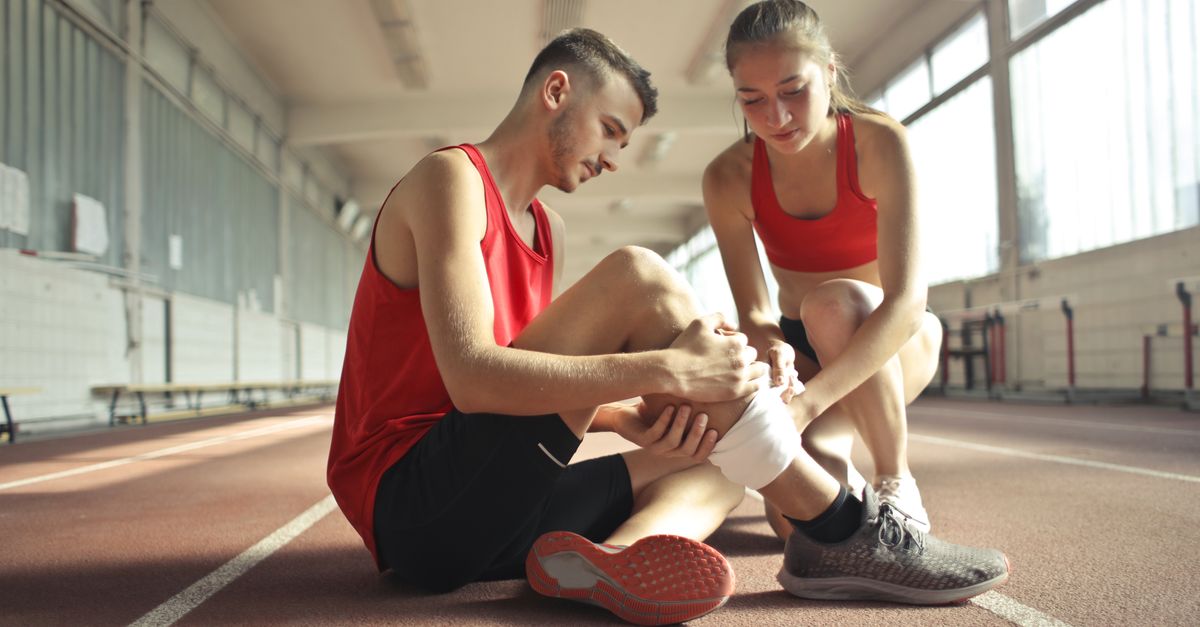
Sports injuries encompass a wide range of musculoskeletal conditions that occur during athletic activities, from acute trauma like sprains and fractures to overuse injuries such as tendinitis and stress fractures. Each year, millions of Americans experience sports-related injuries, with youth athletes particularly vulnerable as their bodies continue to develop. Beyond treating injuries, pre-participation sports physicals serve as a critical preventive measure, identifying underlying conditions that could increase injury risk or contraindicate certain activities. These comprehensive evaluations assess cardiovascular health, musculoskeletal function, flexibility, previous injury history, and overall fitness to ensure safe athletic participation while catching potential issues before they become serious problems.
Common causes of sports injuries include inadequate warm-up or conditioning, improper technique, overtraining without sufficient recovery time, inadequate protective equipment, and playing through pain or fatigue. Risk factors vary by sport but often include previous injury (which significantly increases reinjury risk), muscle imbalances, poor flexibility, rapid growth during adolescence, training errors like doing too much too soon, and anatomical factors such as leg length discrepancies or abnormal foot mechanics. Environmental conditions like hard playing surfaces, extreme temperatures, and inadequate hydration also contribute to injury risk. Many sports injuries are preventable through proper preparation, appropriate training progression, attention to technique, adequate rest and recovery, and addressing underlying biomechanical issues identified during comprehensive physical examinations.
Professional medical evaluation and treatment are essential for optimal recovery and injury prevention. While minor strains may seem manageable at home, improper initial treatment or premature return to activity frequently leads to chronic problems, prolonged recovery, or reinjury with potentially more serious consequences. A thorough sports physical identifies hidden risk factors like heart murmurs, previous concussions requiring clearance protocols, joint instability, or flexibility limitations that need addressing before intense training begins. When injuries do occur, early professional intervention ensures accurate diagnosis, appropriate treatment to prevent complications, guidance on safe return-to-play progression, and rehabilitation that addresses not just the injury itself but contributing factors to reduce future risk. Our comprehensive approach treats the whole athlete, not just isolated symptoms, ensuring long-term health and athletic performance.
Signs & Symptoms of Sports Injuries and Physicals Needs
Acute Injury Symptoms
Immediate, severe pain at the moment of injury, often described as sharp, stabbing, or tearing sensation indicating tissue damage.
Rapid swelling at the injury site within minutes to hours, indicating bleeding or fluid accumulation in damaged tissues.
Visible bruising appearing within hours to days, ranging from red to purple to yellow-green as blood breaks down under the skin.
Inability to move the injured area through its normal range, whether from pain, swelling, or mechanical blocking.
Feeling that the joint is "giving way" or unable to support weight, suggesting ligament damage or dislocation.
Audible pop, snap, or crack at the moment of injury, often indicating ligament tear or bone fracture requiring immediate evaluation.
Cannot put normal weight on the injured limb without severe pain, indicating potentially serious structural damage.
Overuse Injury & Physical Exam Indicators
Pain that starts mild and progressively worsens over weeks or months of repetitive activity, initially present only during activity.
Increased stiffness and pain upon waking or after prolonged rest that improves with initial movement but returns with activity.
Noticeable decrease in athletic performance, strength, speed, or endurance despite consistent training efforts.
Localized tenderness to touch over tendons, bones, or joints that doesn't resolve with rest and ice.
Past injuries, especially if inadequately rehabilitated, significantly increasing risk for reinjury or chronic problems.
Heart murmurs, irregular rhythms, or chest pain with exertion that require cardiac clearance before sports participation.
Significantly restricted flexibility in major muscle groups increasing injury risk and requiring corrective stretching programs.
Uncorrected vision problems or balance deficits that impair performance and increase collision or fall risk.
If you recognize these signs, help is available. Early treatment leads to better outcomes, faster recovery, and safer return to the activities you love.
How We Treat Sports Injuries and Physicals
Comprehensive Assessment
We begin with a thorough evaluation including detailed injury history, mechanism of injury analysis, and comprehensive physical examination assessing range of motion, strength, stability, and functional movement patterns. For sports physicals, we review medical history, perform cardiovascular screening, musculoskeletal examination, and assess fitness for sport-specific demands. Diagnostic imaging or specialized testing is ordered when needed to ensure accurate diagnosis and appropriate treatment planning.
Personalized Treatment Plan
Based on your specific injury or physical findings, we develop an individualized treatment strategy that may include acute injury management with appropriate rest, ice, compression, and elevation protocols, pain management when necessary, and targeted rehabilitation exercises. We provide clear guidance on activity modification, bracing or taping if beneficial, and progressive return-to-play protocols that balance healing with maintaining fitness, ensuring you return to activity safely and at optimal function.
Ongoing Care & Prevention
We monitor your recovery through regular follow-up visits, adjusting treatment as healing progresses and addressing any setbacks promptly. Our approach includes education on injury prevention strategies, proper training techniques, equipment recommendations, and sport-specific conditioning programs to reduce future injury risk. For athletes requiring ongoing care, we coordinate with coaches, trainers, and physical therapists to ensure comprehensive support throughout your athletic career and long-term musculoskeletal health.
Our evidence-based treatment approach utilizes proven modalities including therapeutic exercise progression, manual therapy techniques when appropriate, pain management with NSAIDs or other medications when necessary, and functional rehabilitation that addresses not just the injury but contributing factors like muscle imbalances, flexibility deficits, or biomechanical issues. For acute injuries, we follow established protocols for tissue healing while preventing complications like chronic instability or re-injury. Our sports physicals follow American Academy of Pediatrics guidelines, ensuring thorough screening for conditions that could lead to sudden cardiac events, heat illness, or activity-related injuries. We stay current with the latest sports medicine research to provide you with the most effective, safest path back to full participation.
Why Choose Back to Basics Family Practice for Sports Injuries and Physicals Treatment
Board-Certified Excellence
Our board-certified family nurse practitioners bring extensive training in sports medicine, musculoskeletal assessment, and athletic injury management to ensure accurate diagnosis and optimal treatment outcomes.
Athlete-Centered Approach
We understand the physical and emotional impact of injuries on athletes at all levels, providing personalized care that respects your goals while prioritizing safe, sustainable return to sport.
Telehealth Available
Convenient virtual visits for follow-up care, injury assessment, treatment plan adjustments, and sports physical consultations when in-person examination isn't immediately required.
Comprehensive Experience
From youth athletes to adult recreational sports participants, we have extensive experience treating the full spectrum of sports injuries and performing thorough pre-participation examinations for all age groups and sport types.
Frequently Asked Questions About Sports Injuries and Physicals
How long does recovery from a sports injury typically take?
What's included in a sports physical examination?
When should I seek medical care for a sports injury?
Does insurance cover sports injury treatment and physicals?
Can I continue playing sports while injured?
Can telehealth work for sports injury evaluation?
Related Conditions We Treat
Chronic Pain Management
Comprehensive approaches to managing persistent pain conditions affecting quality of life.
Learn more →Arthritis
Treatment for joint inflammation and degenerative conditions affecting mobility and comfort.
Learn more →Preventive Care
Proactive health screenings and wellness strategies to maintain optimal health.
Learn more →Get Help for Sports Injuries and Physicals Today
You don't have to face sports injuries alone. Our team is ready to help you recover safely and return to the activities you love.